
El Niño – Be Prepared, Stay Protected
El Niño is a natural climate phenomenon caused by unusual warming of surface waters in the central and eastern Pacific Ocean. It can disturb normal rainfall and temperature patterns in many parts of the world. In South Asia, El Niño has often been associated with hotter and drier conditions and rainfall uncertainty, although its effects vary by location and season.
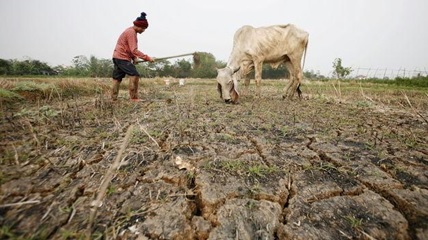
The best approach is “Prepare Early – Save Water – Protect Health – Reduce Losses.”
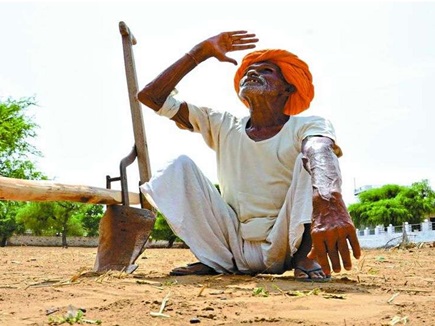
1. Protect People from Heat
- Drink plenty of safe water frequently; do not wait until you feel thirsty.
- Avoid strenuous outdoor work during the hottest hours of the day.
- Prefer working during the early morning or evening.
- Take frequent rest breaks in shade or a cool place.
- Wear a hat/cap, light-colored loose clothing and use sun protection.
- Watch for dizziness, excessive sweating, weakness, headache or confusion. Move the affected person to a cool place and seek medical help if symptoms are severe.
- Keep extra drinking water available at farms, worksites and livestock sheds.
FAO highlights heat stress as a major risk for agricultural workers and recommends planning farm work around forecasts, with water, shade and rest breaks
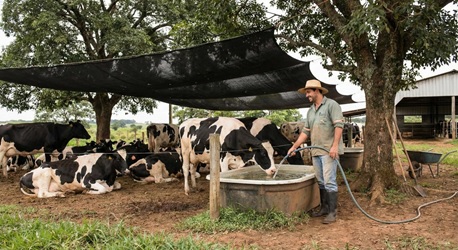
2. Protect Animals and Livestock
- Provide clean drinking water throughout the day.
- Keep cattle, goats, sheep and poultry under shade and good ventilation.
- Avoid overcrowding in animal sheds.
- Feed animals during the cooler parts of the day.
- Store sufficient green fodder, dry fodder and feed before a prolonged dry period.
- Avoid unnecessary transportation of animals during extreme heat.
- Watch for excessive panting, weakness, reduced feeding and unusual behaviour.
- For dairy animals, maintain adequate water, shade and cooling to reduce heat stress.
FAO recommends securing water and fodder supplies in advance and considering heat-tolerant livestock breeds where heat stress is increasing.
3. Protect Crops and Soil
- Follow weather forecasts and agricultural advisories before sowing and irrigation decisions.
- Select short-duration, drought- and heat-tolerant varieties wherever suitable.
- Adjust sowing dates according to local rainfall forecasts.
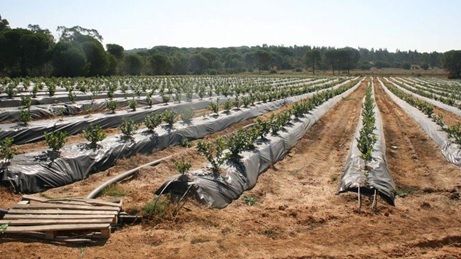
- Use mulching to conserve soil moisture.
- Prefer drip or other water-efficient irrigation methods.
- Give priority irrigation during critical crop growth stages.
- Harvest and store rainwater through farm ponds, tanks and other water-harvesting structures.
- Avoid unnecessary irrigation and apply water according to crop requirement.
- Maintain soil organic matter through compost, crop residues and organic amendments.
- Keep an eye on pests and diseases, as changing temperature and moisture conditions can alter their occurrence.
FAO’s 2026 assessment specifically recommends early action such as adjusting planting dates, using drought-tolerant or short-cycle crops, storing livestock fodder and securing additional water supplies in areas at risk from El Niño-related drought.
A Simple El Niño Action Plan
- Before the dry period: Store water + store fodder + select suitable crops + follow weather advisories.
- During hot/dry conditions: Save water + protect people + shade animals + mulch crops.
- After rainfall: Harvest rainwater + replenish soil moisture + restore fodder and farm resources.
Remember: Early Action Saves Lives, Livestock and Livelihoods:
El Niño cannot be stopped, but its impact can be reduced through timely preparation and local action. Farmers, rural families, livestock owners and extension workers should work together and make use of reliable weather and agricultural advisories:
“Prepare Today – Protect Tomorrow – Build a Climate-Resilient Agriculture.”