
India has a rich tradition of growing and consuming a wide variety of millets. Among them, minor millets, also known as small millets, are gaining renewed attention because of their nutritional value, adaptability to difficult growing conditions and potential to support healthy diets.
Minor millets include foxtail millet (Thinai), little millet (Samai), kodo millet (Varagu), barnyard millet (Kuthiraivali) and proso millet (Panivaragu). These small grains have been part of traditional food systems for generations, particularly in dryland and rainfed farming regions.
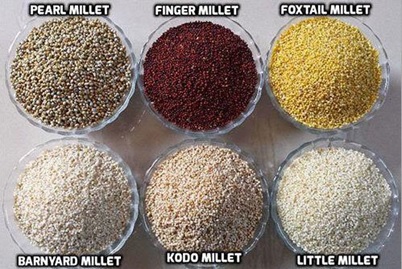
According to ICAR, small millets are nutritionally valuable and provide dietary fibre, minerals, vitamins and other beneficial food components. Their ability to grow with relatively low external inputs also makes them important crops for climate-resilient agriculture.
Why Are Minor Millets Good for Health?
1. Rich in Dietary Fibre
Minor millets can provide appreciable amounts of dietary fibre. Fibre supports normal bowel function and contributes to satiety. A diet containing adequate whole-grain foods can therefore be an important part of a balanced eating pattern.
Little millet, for example, contains about 7.7 g of dietary fibre per 100 g according to FAO data, although nutrient values can vary depending on variety and processing.
2. Source of Essential Minerals
Minor millets contain minerals such as iron, magnesium, phosphorus and zinc, although the amount differs among millet species and varieties. Regularly including a diversity of whole grains can help improve the overall nutritional quality of the diet.
3. Useful for Balanced Diets
Millets generally contain carbohydrates, protein, dietary fibre, minerals and B-group vitamins. ICAR research notes that millet grains provide a broad spectrum of nutrients and can contribute to nutritional security when included as part of a diversified diet.
4. Naturally Gluten-Free
Millets are naturally gluten-free grains. This makes them useful as alternatives to gluten-containing cereals for people who need to avoid gluten, such as those with coeliac disease.
5. Better Food Diversity
Replacing every meal based on a single cereal with a greater variety of grains can improve dietary diversity. Minor millets offer different flavours, textures and nutritional profiles and can be incorporated into traditional and modern recipes.
Minor Millets – A Healthy Choice
| Minor Millet | Common Tamil Name | Popular Food Uses |
|---|---|---|
| Foxtail Millet | Thinai | Pongal, upma, dosa, rice substitute |
| Little Millet | Samai | Rice, upma, pongal, dosa |
| Kodo Millet | Varagu | Rice, pulao, upma, dosa |
| Barnyard Millet | Kuthiraivali | Pongal, idli, dosa, upma |
| Proso Millet | Panivaragu | Rice preparations, upma, snacks |
TNAU’s nutritional information shows that these millets provide useful quantities of protein, fibre and minerals, with substantial variation between types.
From Traditional Grain to Modern Food
Minor millets are not limited to traditional recipes. Today they can be used to prepare:
Farmers can reduce climate-related risks through advance planning.
Millet rice and pulao, Pongal and khichdi, Idli and dosa, Upma, Millet porridge, Cookies and bakery products, Millet snacks, Ready-to-cook and value-added products
This versatility creates opportunities for women entrepreneurs, Self-Help Groups, Farmer Producer Organisations and rural enterprises to undertake cleaning, grading, processing, packaging and value addition
Good for Farmers Too
The importance of minor millets goes beyond nutrition. These crops are particularly relevant to dryland and rainfed agriculture. ICAR highlights the ability of millets to grow in marginal environments, their shorter growing duration and their resilience to several environmental stresses.
Little millet, for example, is recognized by ICAR as a resilient and underutilized crop capable of performing under challenging conditions.
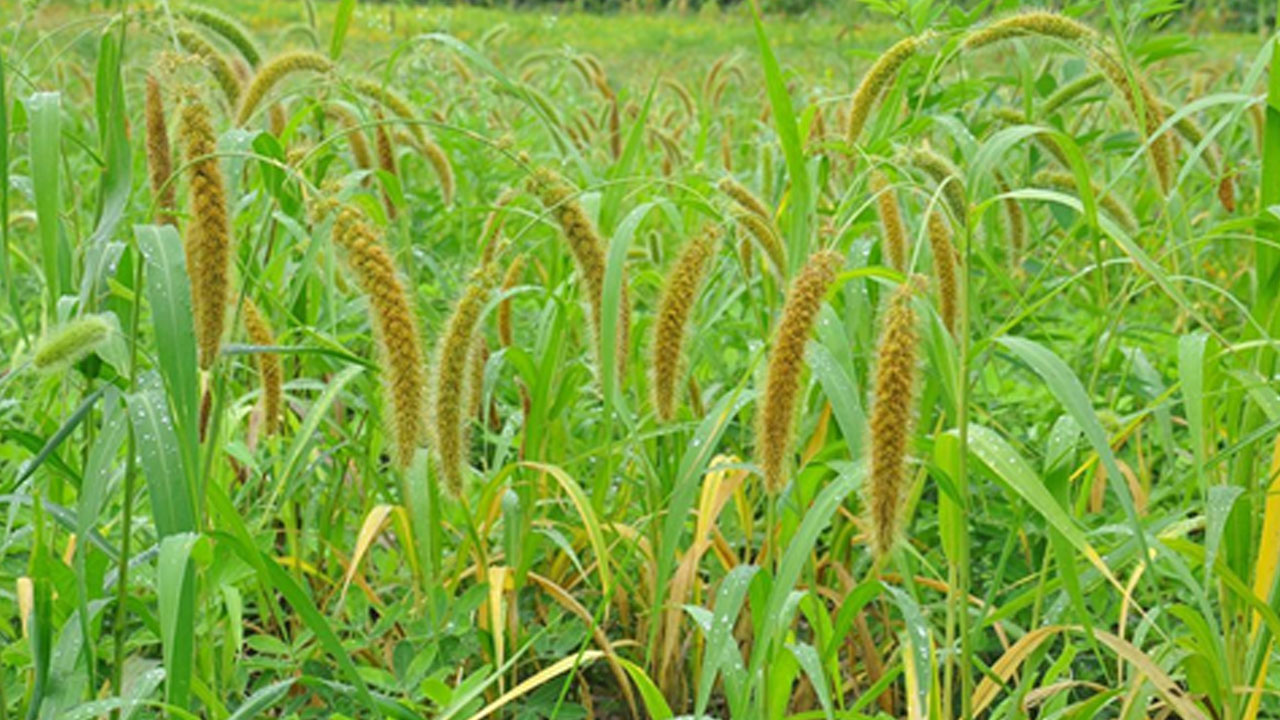
Thus, promoting minor millets can simultaneously contribute to:
Healthy People → Resilient Farmers → Sustainable Agriculture → Strong Rural Economy
Bringing Minor Millets Back to Our Plates
The best way to benefit from minor millets is not to treat them as a “miracle food”, but to include them as part of a balanced and diverse diet.
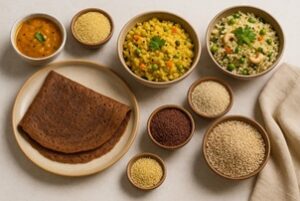
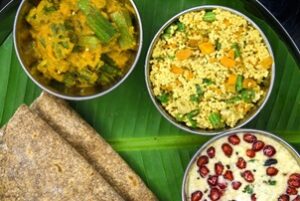
Families can gradually introduce millet-based dishes into their regular meals. Farmers can explore suitable minor millet varieties according to their soil, rainfall and local market opportunities. Rural institutions, SHGs and entrepreneurs can promote processing and value-added millet products to increase consumer acceptance and farm income.
A Grain for the Future
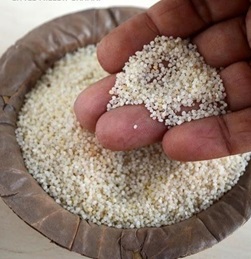
Minor millets may be small in size, but their potential is enormous. They combine nutrition, traditional knowledge, climate resilience and rural livelihood opportunities.
Promoting these forgotten grains can help us reconnect with our food heritage while creating a healthier and more sustainable food system