
Climate change has increased the frequency of extreme weather events across the globe, posing significant challenges to agriculture. Among these climatic phenomena, El Niño is one of the most influential, affecting rainfall patterns, temperature, and crop production in many countries, including India. Farmers who understand El Niño and adopt suitable management practices can minimize crop losses and improve resilience
What is El Niño?
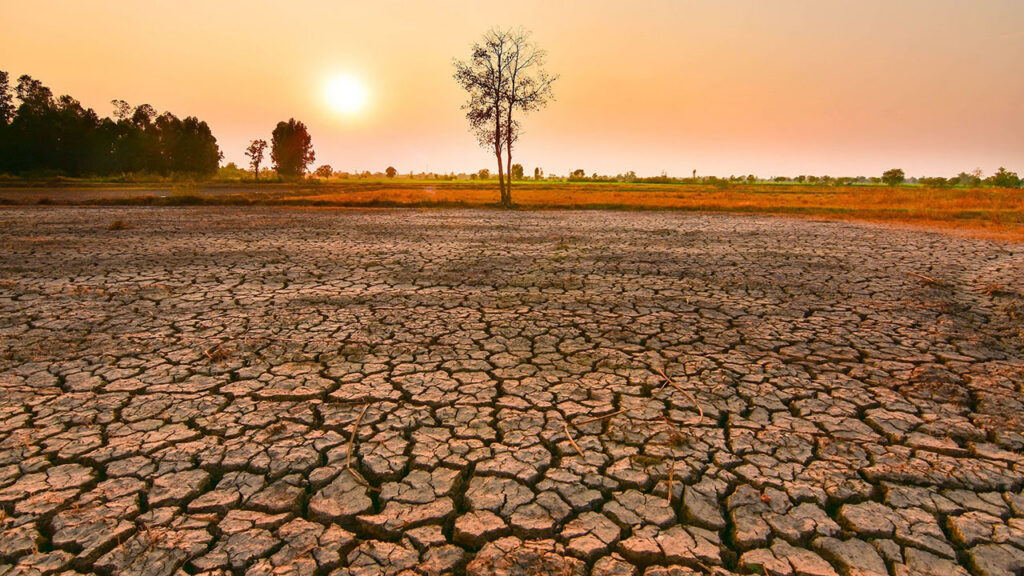
El Niño is a naturally occurring climate phenomenon characterized by an abnormal warming of sea surface temperatures in the central and eastern Pacific Ocean. This warming disrupts normal atmospheric circulation, leading to changes in global weather patterns. El Niño events generally occur every two to seven years and may last for several months.
In India, El Niño is often associated with weaker southwest monsoon rainfall, delayed onset of monsoon, prolonged dry spells, higher temperatures, and reduced water availability for agriculture.
How Does El Niño Affect Agriculture?
Agriculture depends heavily on timely rainfall and favourable climatic conditions. During an El Niño year, farmers may experience:
- Delayed sowing due to late monsoon onset.
- Reduced rainfall leading to moisture stress.
- Frequent dry spells during crop growth.
- Increased daytime temperatures affecting crop physiology.
- Decline in groundwater recharge.
- Reduced reservoir and tank storage.
- Lower crop yields.
- Increased pest and disease incidence.
- Heat stress in livestock and poultry.
- Reduced fodder availability.
Rainfed farming regions are particularly vulnerable because they rely almost entirely on seasonal rainfall.
Crops Most Affected
The impact of El Niño on agriculture varies depending on the region, cropping pattern, and severity of moisture stress. Crops that are highly dependent on timely rainfall are particularly vulnerable to prolonged dry spells and elevated temperatures. Major field crops such as paddy, groundnut, maize, pulses, millets, cotton, and sugarcane are commonly affected during El Niño years, often resulting in reduced growth and lower yields. Horticultural crops, including mango, banana, vegetables, and flowers, are also susceptible to water stress, which can lead to poor flowering, fruit drop, reduced fruit quality, and diminished marketable produce. The greatest yield losses occur when moisture stress coincides with critical crop growth stages such as flowering, pollination, and grain filling, making timely water and crop management essential for minimizing production losses.
Preparedness Measures Before the Season
Farmers can reduce climate-related risks through advance planning.
- Select Suitable Crop Varieties: Choose drought-tolerant and short-duration varieties recommended by agricultural universities and Krishi Vigyan Kendras.
- Diversify Cropping Systems: Mixed cropping, intercropping, and crop diversification reduce the risk of total crop failure.
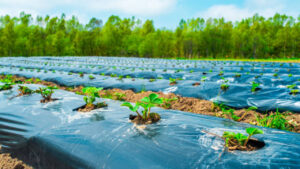
- Conserve Soil Moisture: Adopt practices such as Mulching, Conservation tillage, Cover cropping, Ridge and furrow planting, Broad bed and furrow systems.
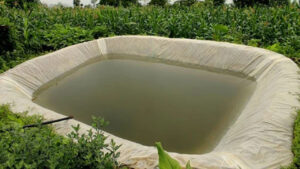
These methods improve moisture retention and reduce evaporation. - Harvest Rainwater: Construct farm ponds, check dams, percolation ponds, and recharge pits to capture rainwater for protective irrigation during dry periods.
- Improve Soil Health: Incorporate farmyard manure, compost, green manure, crop residues, and bio-fertilizers to enhance soil organic matter and water-holding capacity.
Recovery Actions During El Niño
When rainfall becomes deficient, timely interventions are essential.
Efficient Water Management
- Adopt drip and sprinkler irrigation
- Irrigate during critical crop growth stages
- Schedule irrigation based on crop water requirements
- Repair field channels to minimize water losses
Life-Saving Irrigation: Provide one or two protective irrigations during flowering and grain filling, which can substantially reduce yield losses.
| Crop Thinning and Gap Filling | Maintain optimum plant population by thinning excess seedlings and filling gaps where establishment is poor. |
| Nutrient Management | Avoid excessive nitrogen application during drought conditions. Apply balanced fertilizers based on soil testing and supplement with foliar nutrient sprays where recommended. |
| Weed Management | Control weeds promptly as they compete aggressively for limited soil moisture and nutrients. |
| Pest and Disease Surveillance | Weather stress can alter pest and disease dynamics. Regular field monitoring enables timely integrated pest management (IPM) interventions using biological, cultural, and need-based chemical measures |
Horticultural Crop Management: Fruit crops require special attention during drought
Recommended practices include:
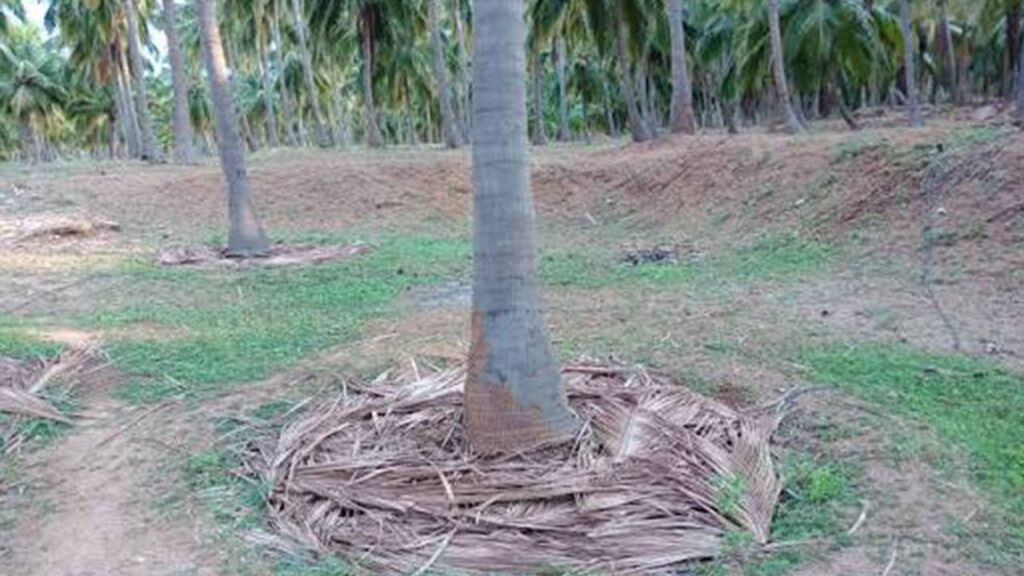
- Basin mulching.
- Drip irrigation.
- Whitewashing trunks to reduce heat injury.
- Pruning of dried branches.
- Application of organic manure.
- Use of anti-transpirants where recommended.
- Regular orchard sanitation
Livestock Management: Livestock are equally vulnerable during El Niño
Farmers should:
- Ensure continuous availability of drinking water.
- Provide adequate shade and ventilation.
- Store fodder in advance.
- Cultivate fodder crops using available irrigation.
- Prepare silage and hay for lean periods.
- Vaccinate animals according to veterinary schedules.
- Minimize heat stress through proper housing management
Long-Term Climate Resilience
Building resilience against the impacts of El Niño and other climate-related challenges requires the adoption of sustainable and climate-resilient farming systems. Farmers should gradually integrate climate-smart agricultural practices, diversified and integrated farming systems, agroforestry, and efficient micro-irrigation technologies to optimize the use of available resources. Precision nutrient management, watershed development, and measures to enhance soil organic carbon are essential for improving soil health, conserving moisture, and sustaining crop productivity. Farmers are also encouraged to enroll in crop insurance schemes to safeguard against weather-related losses and make use of weather-based agro-advisories for timely farm decisions. Strengthening Farmer Producer Organizations (FPOs) can improve market access, reduce production costs, and enhance collective bargaining power. In addition, the adoption of digital agriculture tools and ICT-based advisory services enables farmers to receive real-time information on weather, crop management, pest outbreaks, and market opportunities. Collectively, these long-term strategies not only help reduce climate-related risks but also enhance agricultural productivity, profitability, and the overall resilience of farming communities.
Role of Krishi Vigyan Kendras:
Krishi Vigyan Kendras (KVKs) play a vital role in helping farmers adapt to climate variability by:
- Demonstrating climate-resilient technologies.
- Conducting farmer training programmes.
- Disseminating weather-based advisories.
- Promoting drought-tolerant crop varieties.
- Demonstrating efficient irrigation systems.
- Strengthening integrated farming practices.
- Supporting soil and water conservation initiatives.
El Niño is a recurring climatic phenomenon that can significantly affect agricultural production through reduced rainfall, higher temperatures, and increased moisture stress. However, its adverse impacts can be minimized through scientific planning, efficient water management, climate-resilient crop production practices, and timely advisory services. By adopting sustainable agricultural technologies and strengthening preparedness at the farm level, farmers can safeguard their livelihoods and build resilience against future climate uncertainties.
Tamil Nadu Board of Rural Development (TNBRD) remains committed to promoting climate-resilient agriculture through technology transfer, farmer capacity building, sustainable natural resource management, and community-based interventions that enhance the resilience of farming systems and improve rural livelihoods.